Discovering Authentic Jamaican Food One Dish at a Time
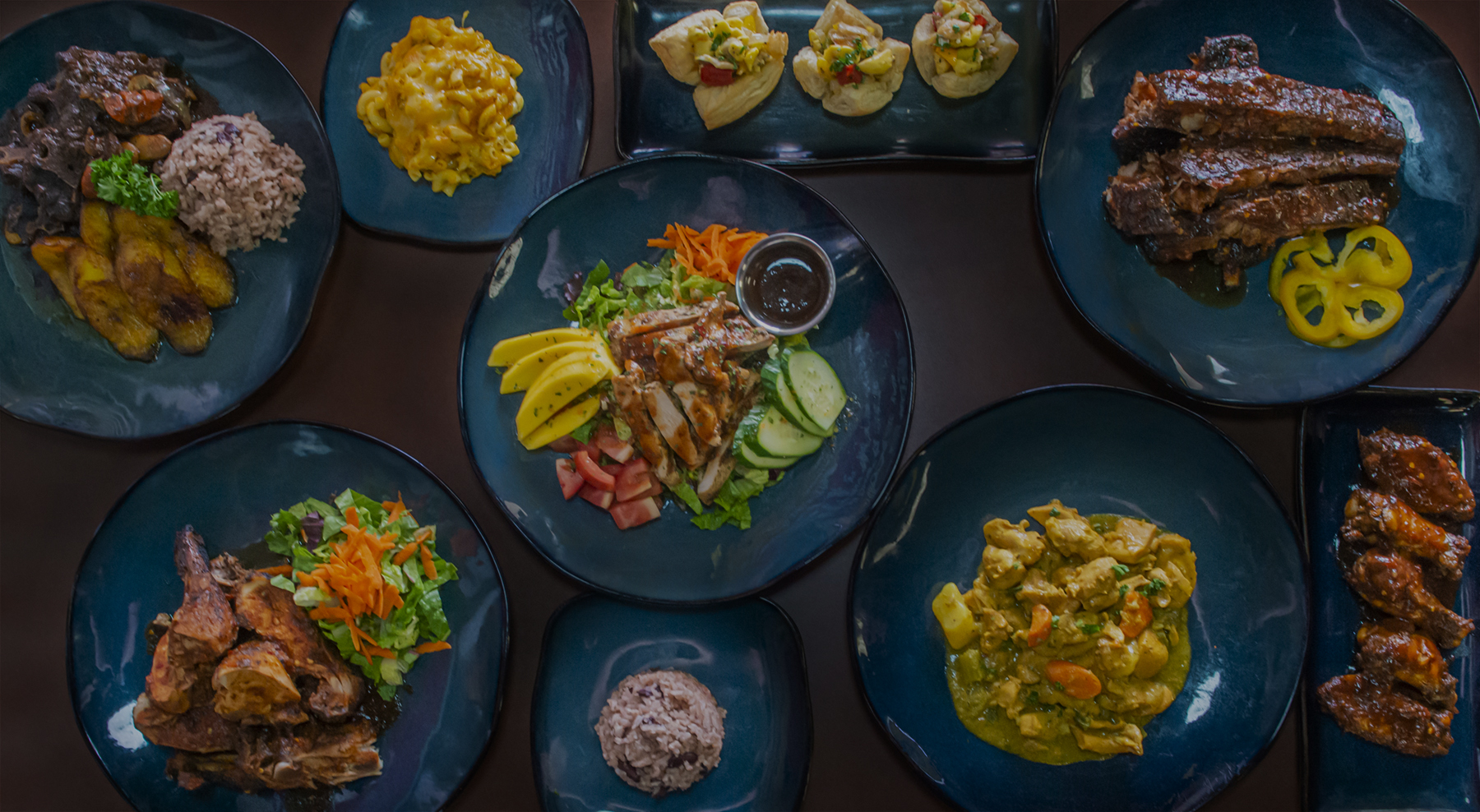
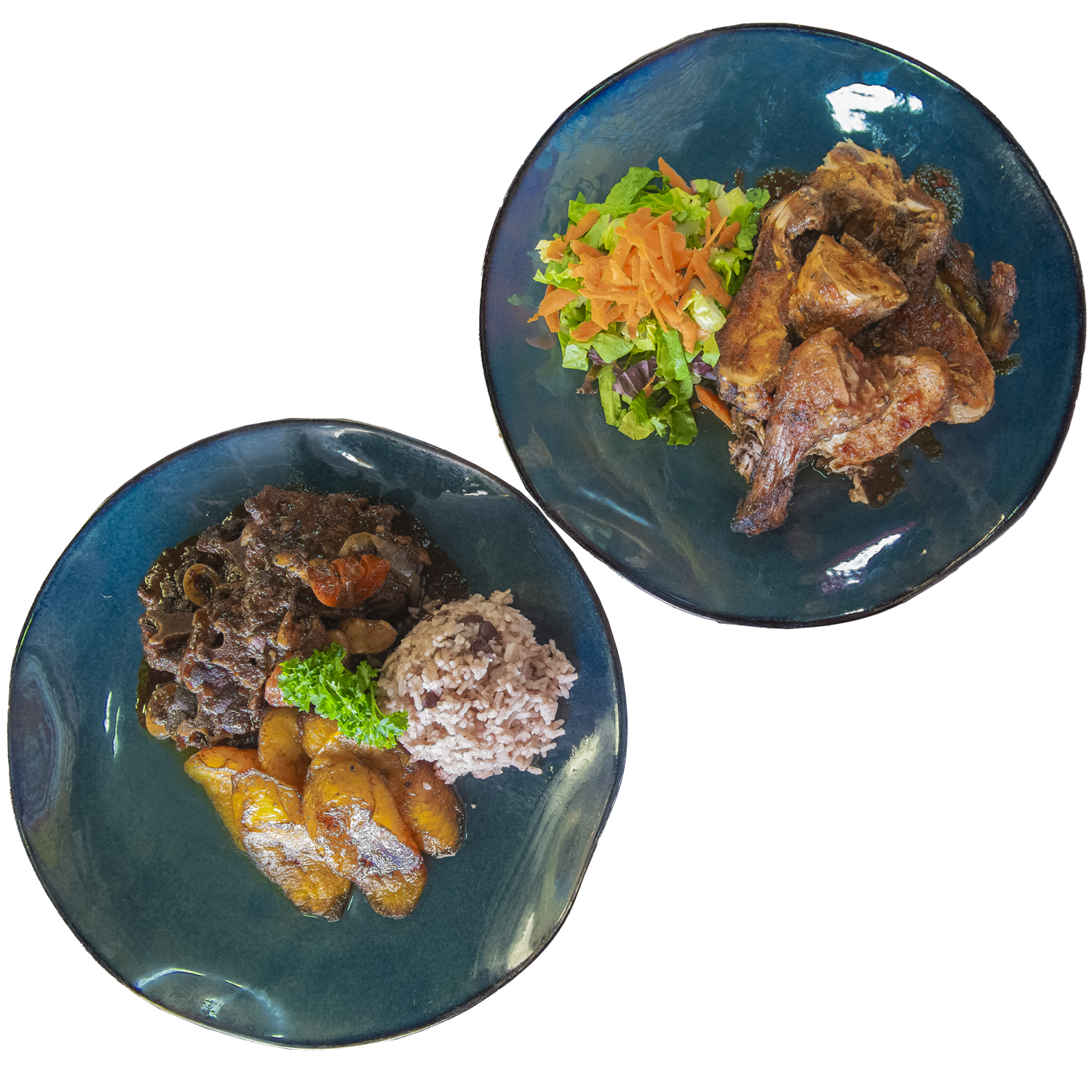
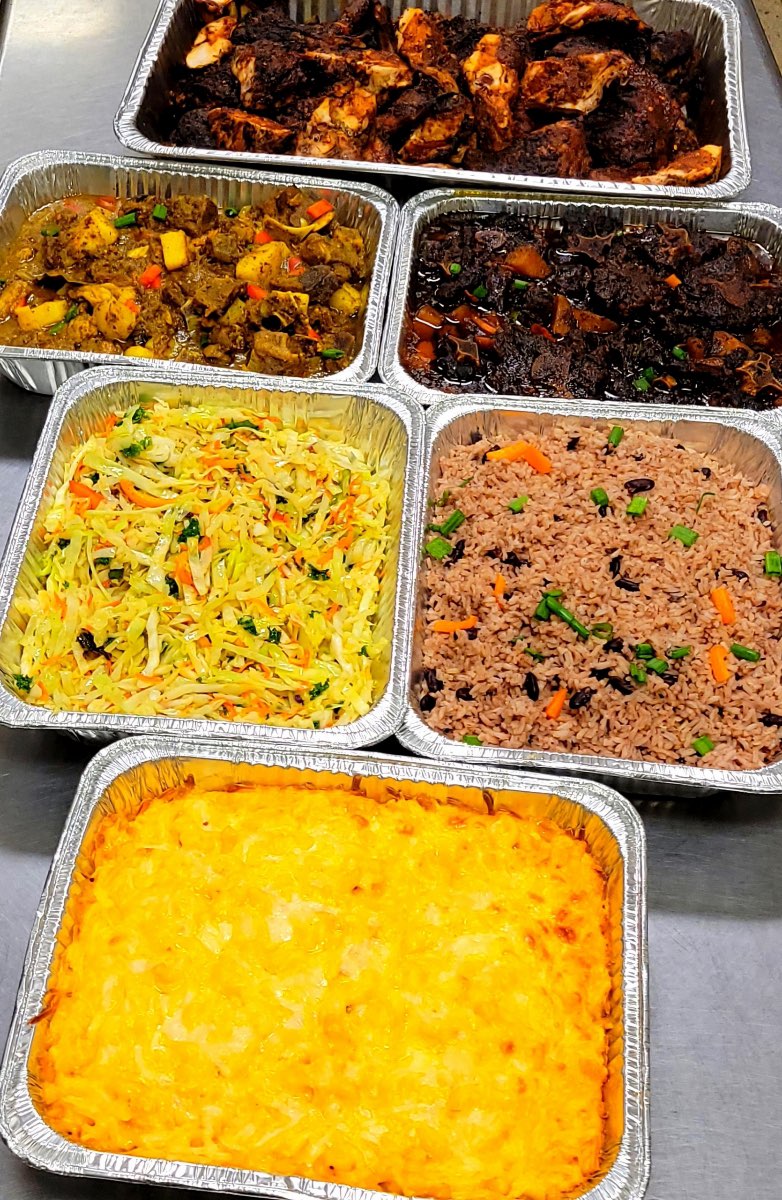
Ask ten people what Jamaican food is, and most will answer with one word: jerk. They are not wrong, but they are nowhere near the full picture. Real Jamaican cooking stretches far beyond the smoky heat of jerk chicken. It is a cuisine built from memory, migration, survival, celebration, and an unusually sharp instinct for seasoning. One dish leads to another, and before long the food tells a bigger story about the island itself.
What makes Jamaican food so compelling is not only flavor, though flavor is certainly the hook. It is the way each dish carries a specific purpose. Some foods belong to the beach and the roadside grill. Others belong to Sunday dinner, to funerals, to market mornings, or to the kind of family gathering where the pot seems to refill itself. Even when ingredients overlap, the mood around the food changes everything.
Authenticity, in this context, is not about freezing cuisine in place. Jamaican cooking has always evolved. Indigenous traditions, West African foodways, British colonial influence, Indian spices, Chinese techniques, and the practical realities of island agriculture all shaped what ended up on the table. That is why the best way to understand Jamaican food is one dish at a time. Each plate explains something the others cannot.
The backbone of the flavor
Before getting into individual dishes, it helps to understand the common threads running through the cuisine. Jamaican food is rarely timid. It leans on seasoning with conviction, but not recklessly. A well-made dish does not simply taste hot or salty. It tastes layered.
Scallion, thyme, garlic, ginger, onion, allspice, Scotch bonnet pepper, and pimento wood show up again and again. Browning sauce appears in certain stewed dishes, not merely for color but for a slightly bittersweet depth. Coconut milk softens and rounds out soups, rice dishes, and curries. Fresh herbs matter. Time matters even more. A lot of Jamaican food tastes better because it sits, simmers, marinates, rests, and deepens.
Then there is texture. This is often overlooked by people trying Jamaican food for the first time. Crisp fried plantain against tender escovitch fish. Dense festival beside juicy jerk pork. Silky callaloo with salted cod. The cooking is deeply attentive to contrast.
Jerk is a method, not a catchall
If there is one place where outsiders often flatten Jamaican food, it is jerk. The word now appears on everything from potato chips to bottled mayo, usually with little resemblance to the real thing. Authentic jerk is not just a flavor label. It is a technique rooted in preservation, smoking, and seasoning meat with enough intensity to stand up to fire.
Traditional jerk centers on a wet or dry seasoning heavy with allspice and Scotch bonnet, supported by thyme, scallion, ginger, garlic, and salt. The meat, often chicken or pork, is marinated deeply, then cooked low and slow over pimento wood. That wood matters. It gives off an aroma that is difficult to fake and impossible to forget once you have smelled it rising from a roadside drum pan.
Good jerk should arrive with a few things happening at once. The outside should be charred in places, almost blackened, but not burnt through. The inside should remain moist. The heat should be assertive but not one-dimensional. Most of all, the spice should taste embedded, not painted on after the fact.
A common disappointment in restaurants outside Jamaica is the overreliance on sweetness. Too many versions lean into brown sugar or sticky glaze until the meat tastes more like barbecue with pepper than proper jerk. There is room for variation, but authentic jerk tends to be more savory, smoky, and herbal than syrupy.
Ackee and saltfish, the national dish with a complicated history
No serious conversation about Jamaican food can skip ackee and saltfish. It is the national dish, but it is also one of the most misunderstood. Ackee, when cooked properly, looks a bit like soft scrambled eggs. Its flavor is subtle, buttery, and almost nutty. Saltfish, typically cod preserved in salt, brings the briny structure. Together, they make sense in a way that is hard to explain until you taste them.
The supporting cast does real work here. Onion, tomato, scallion, thyme, and Scotch bonnet are usually sautéed first, then folded into the dish so that the ackee stays intact. Done well, the ackee should not be mashed. The saltfish should be flaky and seasoned, not aggressively salty. Balance is the entire game.
This dish says a lot about Jamaica in one pan. Ackee came from West Africa. Saltfish reflects colonial trade routes and preservation practices. The final result is distinctly Jamaican. It is often eaten with fried dumpling, roasted breadfruit, boiled green banana, or yam, and each pairing changes the experience. With fried dumpling, the meal feels rich and indulgent. With boiled provisions, it feels steadier and more rooted.
There is also a practical lesson here. Authenticity does not always mean rarity or luxury. Some of the most beloved Jamaican dishes were shaped by necessity, by what traveled well, what could be preserved, and what fed many people without waste.
Rice and peas is not an afterthought
One of the quickest ways to tell whether a kitchen respects Jamaican food is to look at the rice and peas. In many places, it is treated like filler. It should not be. Proper rice and peas can carry a meal almost by itself.
In Jamaica, the “peas” are typically kidney beans or gungo peas, depending on the occasion and the season. They are cooked with coconut milk, thyme, scallion, onion, garlic, and often a whole Scotch bonnet pepper that perfumes the pot without necessarily breaking apart. The rice absorbs all of that. If the liquid ratio is right, each grain comes out distinct, lightly glossy, and fragrant.
This side dish is particularly revealing because mistakes are obvious. If it is mushy, bland, or oddly sweet, the whole plate suffers. When it is done right, it anchors everything else, especially jerk, curry goat, stew chicken, or fried fish. It also reminds you that Jamaican food depends as much on supporting elements as on headline dishes.
Curry goat and the art of patience
Curry goat is one of those dishes that rewards restraint. The meat needs time, and anyone rushing it will be found out by the first bite. Goat can be wonderfully rich, but only if it is cooked until tender and the connective tissue relaxes into the sauce.
Jamaican curry is its own thing. It shares ancestry with Indian curry powders brought through indentured labor, but it developed a distinct island profile. Turmeric, coriander, cumin, fenugreek, pimento, garlic, ginger, and Scotch bonnet often appear in some form. The seasoning is warm and earthy rather than merely hot. Potatoes are commonly added, not as filler, but because they absorb the sauce and carry flavor beautifully.
A strong curry goat should taste mature. That is the best word for it. The sauce should be thick enough to cling to rice, and the goat should hold shape while yielding easily. If there is too much grease floating on top or the curry powder tastes raw, the dish has not been handled properly.
This is also one of the clearest examples of Jamaican food as communal food. A pot of curry https://beckettivdv456.wpsuo.com/jamaican-food-trends-rooted-in-island-heritage goat is rarely made for one person. It is food for gatherings, food that sits at the center of a table while people negotiate for the last potato.
The everyday comfort of stew chicken
If jerk grabs attention, stew chicken earns loyalty. It may not be the first dish tourists chase, but many people who grew up around Jamaican cooking will tell you that brown stew chicken is the meal that tastes most like home.
The chicken is usually seasoned well in advance, then browned to build flavor before being simmered with onion, carrot, bell pepper, garlic, thyme, tomato, and enough liquid to make a glossy sauce. Browning sauce gives the dish its characteristic dark color and slightly bittersweet edge. The result should feel hearty and deeply savory, with enough gravy to justify a mound of rice.
This is a dish where technique matters more than spectacle. Anyone can dump chicken into sauce. Good stew chicken depends on proper browning, controlled simmering, and enough seasoning to stand up after the sauce develops. It often tastes even better the next day, which partly explains why it shows up so often in practical home cooking.
Patties, coco bread, and the brilliance of portability
A Jamaican patty is one of the great handheld foods anywhere. It is convenient enough for a quick lunch and satisfying enough to trigger fierce loyalty to favorite bakeries. The crust is usually yellow from turmeric or curry powder, flaky but sturdy, and the filling can range from spicy beef to chicken, vegetable, shrimp, or ackee.
The classic beef patty deserves its reputation. The filling is finely textured but not mushy, seasoned with thyme, scallion, onion, black pepper, and Scotch bonnet. It should be moist without leaking all over your hands. The crust should break cleanly, leaving just enough crumbs to remind you that it was baked fresh.
Put that patty inside coco bread, and you have one of the most practical pairings in Jamaican food. Soft, slightly sweet bread wrapped around a savory patty sounds simple because it is simple. That is the point. Not every authentic food experience has to be ceremonial. Some of the truest expressions of a cuisine are the things people eat on the move.
Fish, festivals, and the sharpness of escovitch
Jamaica knows how to treat fish with respect. Escovitch fish, usually made with snapper, is a standout because it relies on precision rather than heavy sauce. The fish is seasoned, fried until crisp, then topped with a punchy mixture of pickled vegetables, often carrot, onion, bell pepper, and Scotch bonnet in a vinegar-based dressing.
The pleasure here comes from contrast. Hot fried fish meets cool, acidic topping. Flesh stays tender inside a crisp exterior. The vegetables retain crunch. A plate of escovitch fish with festival, the slightly sweet fried dough served alongside, is one of the best studies in balance you will find in Jamaican food.
What surprises many first-time eaters is how direct the flavor is. Escovitch does not hide behind richness. It is bright, clean, and intentionally sharp. That edge is part of its charm, especially in hot weather or near the sea, where heavier dishes can feel excessive.
Ital food and the quieter side of the cuisine
People who reduce Jamaican food to meat and heat miss an entire tradition. Ital cooking, associated with Rastafarian foodways, centers on natural ingredients, minimal processing, and an attentiveness to the integrity of vegetables, grains, legumes, and herbs. Depending on the cook and the interpretation, ital food may exclude meat, dairy, and even salt.
At its best, ital food is not an imitation of something else. It stands firmly on its own. Pumpkin stew, lentils, coconut rundown vegetables, callaloo, okra, and rich soups built from yam, dasheen, green banana, and corn can be deeply satisfying without relying on meat for identity. The seasoning is often subtle compared with jerk or curry, but never bland. Ginger, thyme, scallion, coconut milk, and fresh pepper still play their part.
This is an important reminder that authentic Jamaican food includes restraint as well as intensity. Not every dish aims to overwhelm. Some aim to restore.
The provision plate tells you where you are
One of the most grounding features of Jamaican food is the use of provisions, the starchy staples that give structure to meals. Breadfruit, yam, green banana, boiled dumpling, cassava, coco, and sweet potato all show up in different combinations. They are not glamorous in the way jerk or patties are glamorous. They are more important than that.
A breakfast of callaloo and saltfish with boiled green banana tells a different story from a lunch of jerk pork and festival. A soup with yellow yam and dumplings speaks to one season and one household rhythm, while roasted breadfruit with ackee and saltfish signals another. These foods connect the cuisine to land, to farming, and to the practical knowledge of feeding families well.
Breadfruit alone deserves more respect than it usually gets. Roasted over flame until the skin blackens, then peeled and broken open, it can be smoky, creamy, and faintly nutty. Paired with saltfish or mackerel, it creates a meal that feels both humble and complete.
What to look for when you want the real thing
Authentic Jamaican food can absolutely be found outside Jamaica, but it helps to know what signals matter. Décor matters less than aroma. Menu size matters more than people expect. A kitchen trying to make every Caribbean dish under the sun often spreads itself thin. A place doing six or eight dishes very well is usually a safer bet.
Here are a few reliable clues:
- The seasoning tastes integrated, not sprinkled on at the end.
- Heat is present, but flavor remains the main event.
- Sides receive as much care as the main dish.
- Texture is respected, especially in fried fish, patties, and ackee.
- The food smells like herbs, smoke, spice, and time.
The strongest sign is often the least flashy one. If the rice and peas are excellent, the cook probably understands the cuisine beyond the obvious hits.
Why one dish at a time is the only way to do it
Trying to “cover” Jamaican food in a single meal can be a mistake. The cuisine is too varied, and each dish asks for a different kind of attention. Jerk teaches you about smoke and spice. Ackee and saltfish teaches you about history and balance. Curry goat teaches patience. Escovitch fish teaches acidity and contrast. Ital food teaches that Jamaican cooking is not dependent on one flavor profile to be itself.
This slower approach also helps with expectations. Not every dish is meant to be fiery. Not every plate comes loaded with sauce. Not every beloved food is restaurant-friendly. Some shine best at breakfast, some after a long simmer, some at roadside stalls, and some only when cooked in large quantities for a crowd. That variety is part of the pleasure.
If you are exploring Jamaican food for the first time, a sensible path might start with a few dishes rather than a giant sampler platter:
- Jerk chicken, to understand smoke, allspice, and Scotch bonnet.
- Ackee and saltfish, to taste the national dish in its proper context.
- Brown stew chicken or curry goat, for the slow-cooked heart of the cuisine.
- Escovitch fish with festival, for sharpness and texture.
- A patty from a bakery, because everyday food often tells the truth fastest.
That sequence is not a rule. It is simply a practical way to let each dish speak clearly.
The deeper you go, the more Jamaican food resists stereotype. It is bold, yes, but also careful. It is resourceful without feeling deprived. It carries the mark of many influences, yet it remains immediately recognizable as its own cuisine. Most important, it rewards attention. Eat one dish casually and you may remember the spice. Eat one dish thoughtfully and you begin to understand the island, the people, and the craft that shaped it.
Reggae Pot Jamaican Grill
7562 S University Blvd C, Centennial, CO 80122
(303) 997-5623
FAQ About jamaican food
What is the best Jamaican food to try in Centennial?
The best choice depends on your preferences. Reggae Pot Jamaican Grill offers jerk chicken, curry goat, oxtail, and escovitch snapper, along with sides such as rice and peas and fried plantains. Ask the restaurant about current availability and spice levels before ordering.
Is Jamaican food very spicy in Centennial?
Heat varies by dish and preparation. Jerk dishes can be hot, while some stews and sides are milder. Tell the restaurant your preferred heat level and ask which options suit you.
What is typically on a Jamaican menu?
Common choices include jerk chicken, curries, oxtail, fish, patties, rice and peas, and plantains. Reggae Pot also lists ackee and saltfish and vegetable dishes. Menus and availability can change, so confirm your choices when ordering.